From the
hot room.
Research, protocols and observations from people who treat the sauna as a measurement tool.
Learn
The short reads from the app, word for word.



Articles
Research (4) →
Sauna and Blood Sugar: Benefits, Risks and How to Track It
Sauna is not a proven way to lower blood sugar, and heat can nudge glucose either way. Learn the evidence, a safety checklist for diabetes and how to log your own response.
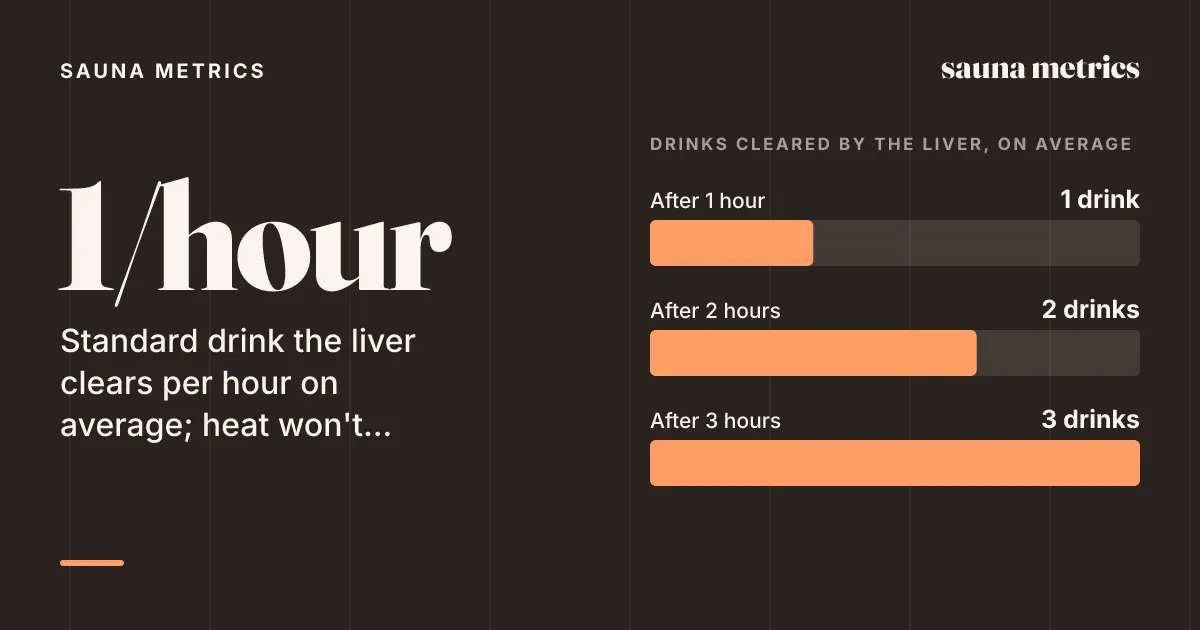
Sauna and Alcohol: Why Mixing Heat and Drinking Is Risky
Sweat clears very little alcohol, and heat on top of drinking strains your heart and flattens HRV and sleep. Here is why, and when it is safe to return to the sauna.
Sauna Headache: Causes, Quick Relief and How to Prevent It
Why does a sauna headache happen, and how do you stop it? Learn the common causes, quick relief steps and how to log each session to find your personal trigger and threshold.
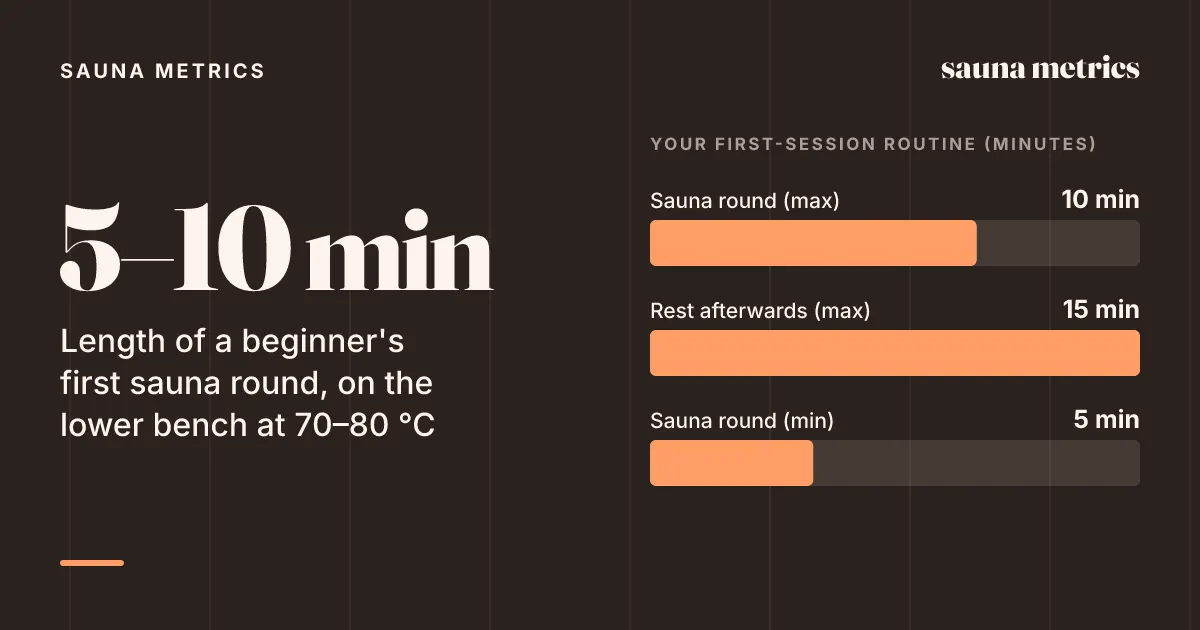
Sauna for Beginners: A Step-by-Step Guide to Your First Session
A calm, safety-first walkthrough of your first sauna session: 5 to 10 minutes, a proper cool-down, and how to log it with your heart rate in Sauna Metrics.
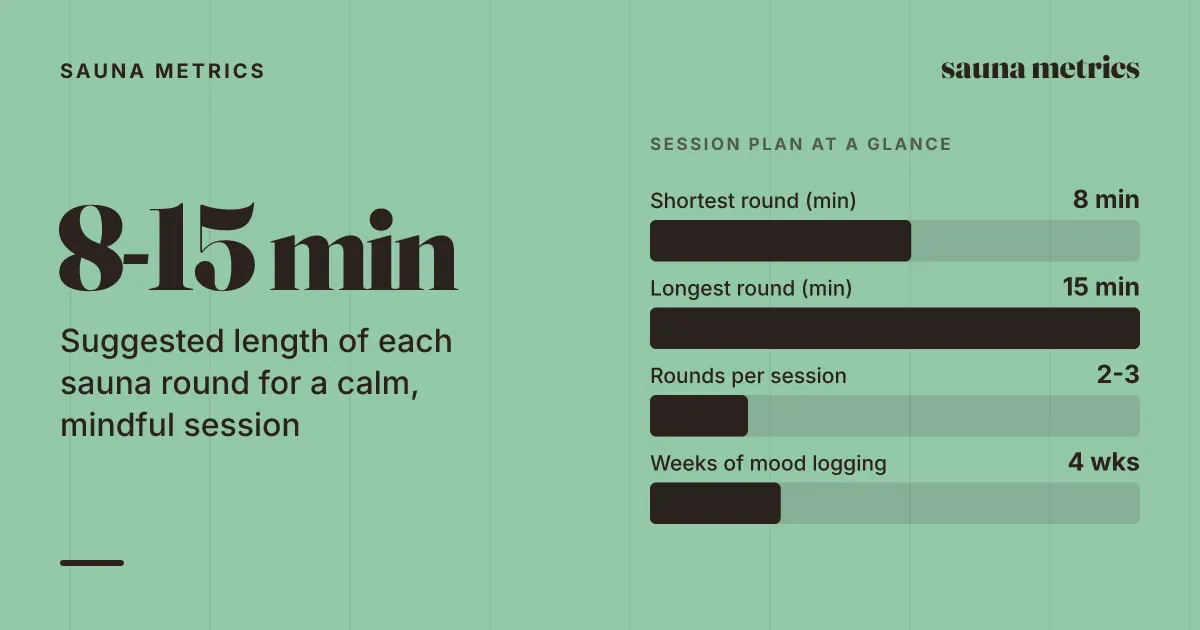
Sauna for Anxiety: How Heat Supports Stress Relief and Mood
Heat may ease the feeling of stress, but the evidence is limited and a sauna is not a treatment. Learn what is known and how to track your own mood, stress and HRV.
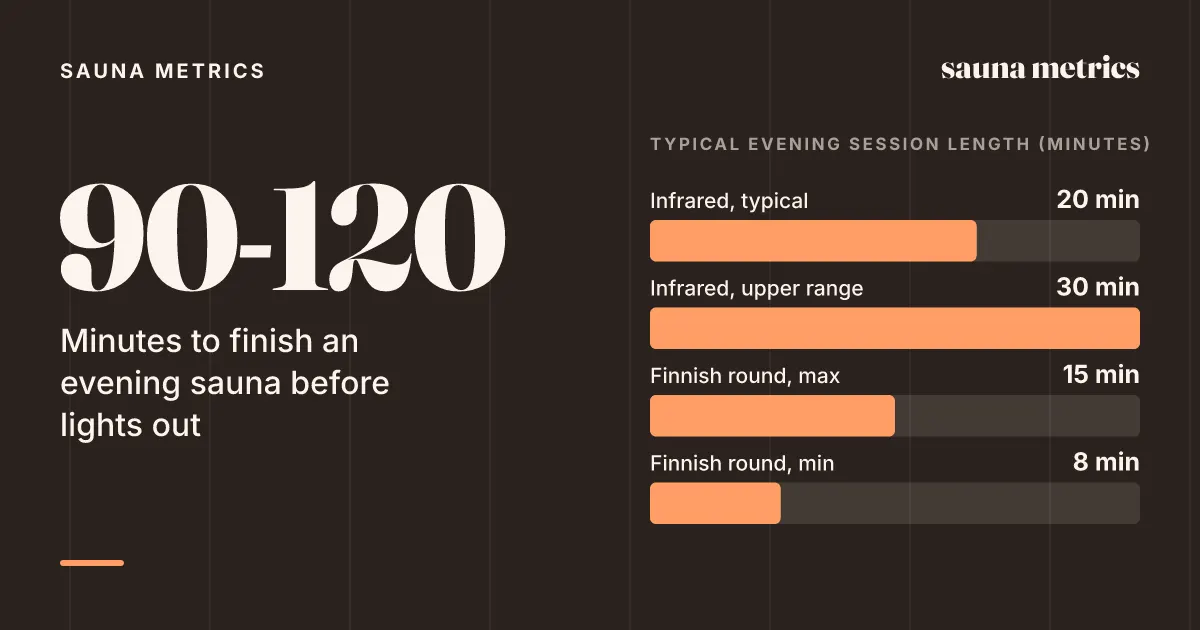
Sauna Before Bed: Best Timing for Deeper Sleep and Recovery
A sauna before bed can help you fall asleep if you finish 1.5 to 2 hours before lights out. Learn how to time it and check the effect with your own sleep and heart rate data.
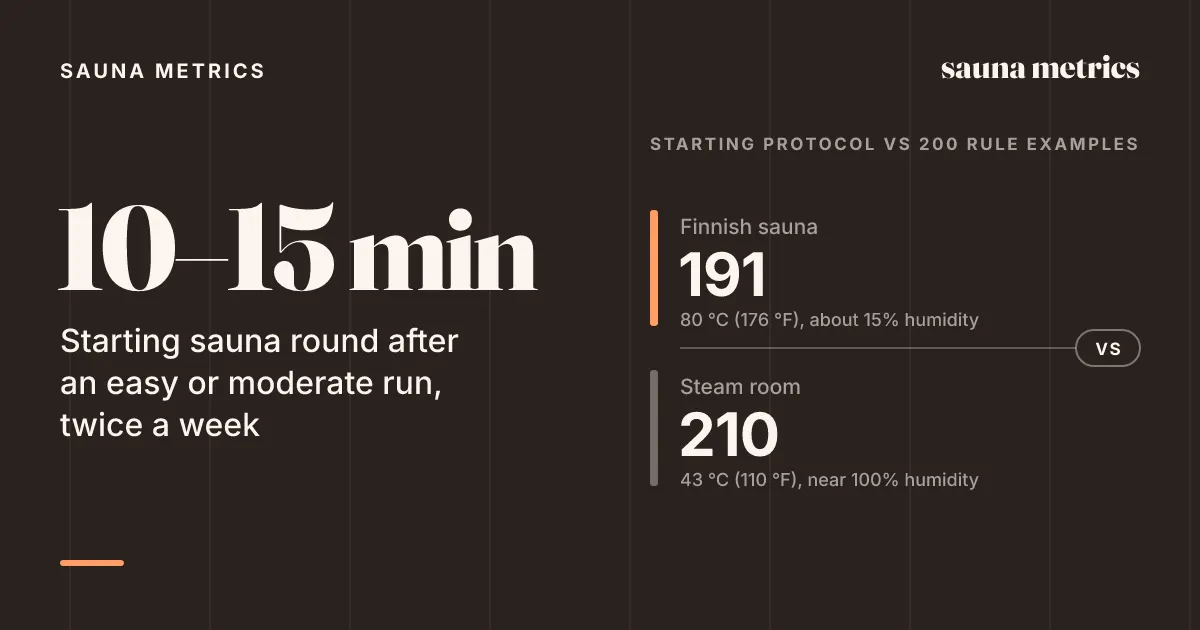
Sauna for Runners: Recovery, Performance and Tracking
What the heat-adaptation research says about sauna for runners, a conservative post-run protocol with real numbers, and how to use HRV, resting heart rate and sleep to check whether it works for you.
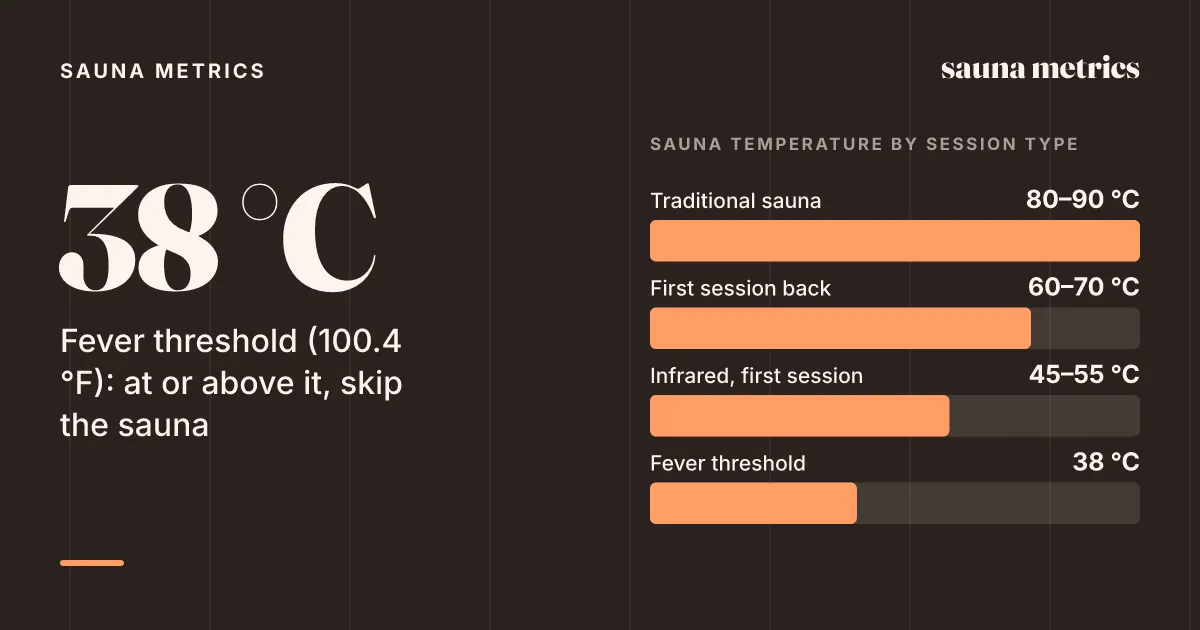
Sauna When Sick: Is It Safe With a Cold or Fever?
A fever means no sauna, while a mild cold without fever may allow a short, cooler session. Here is the clear line, the 24-hour rule for returning, and how to log illness in Sauna Metrics.
Sauna benefits, sorted by evidence
Heart, sleep, mood, recovery: what the studies show and what they do not.

Does a sauna burn calories?
Why the scale lies after a session, and what the heat really costs your body.

Sauna etiquette, country by country
What to wear, when to shower, who throws the water: the rules in six sauna cultures.
How hot should a sauna be?
The temperature of each sauna type, and why humidity matters more than the dial.
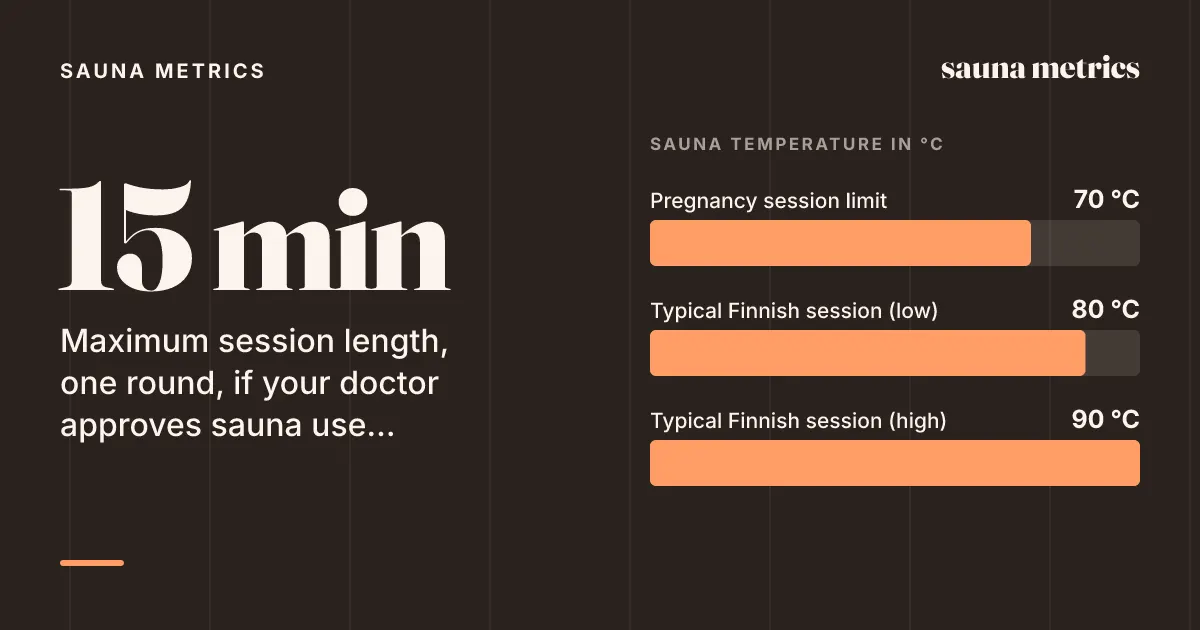
Sauna and Pregnancy: Safety Limits, Risks and Warning Signs
Many medical authorities advise avoiding the sauna in pregnancy or using it only with strict limits. Learn why overheating is the real concern, which warning signs to heed, and what to ask your doctor.

Infrared vs Traditional Sauna: Which Fits Your Routine?
Infrared heats your body directly, while a traditional sauna heats the air. See how they differ in practice and how to compare your heart rate, HRV and recovery in both with the same tracking.
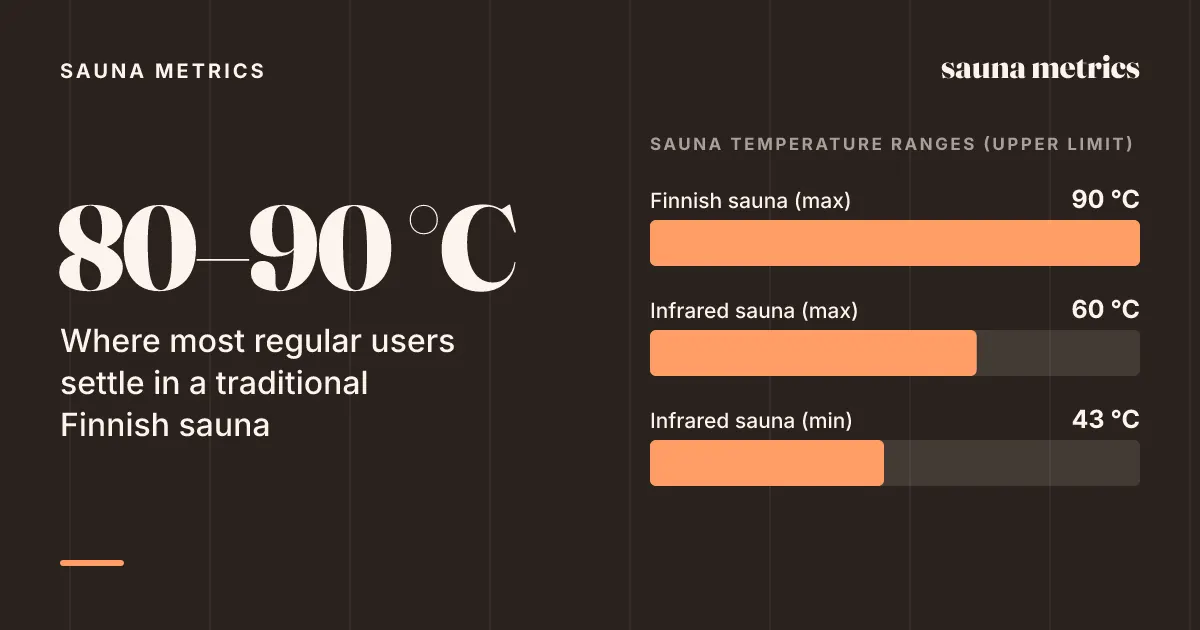
Sauna Temperature Guide: Ideal Heat for Every Session
Reference sauna temperature ranges for Finnish, infrared, bio and steam, plus how to find your own ideal heat by logging sessions and comparing them with heart rate and recovery.
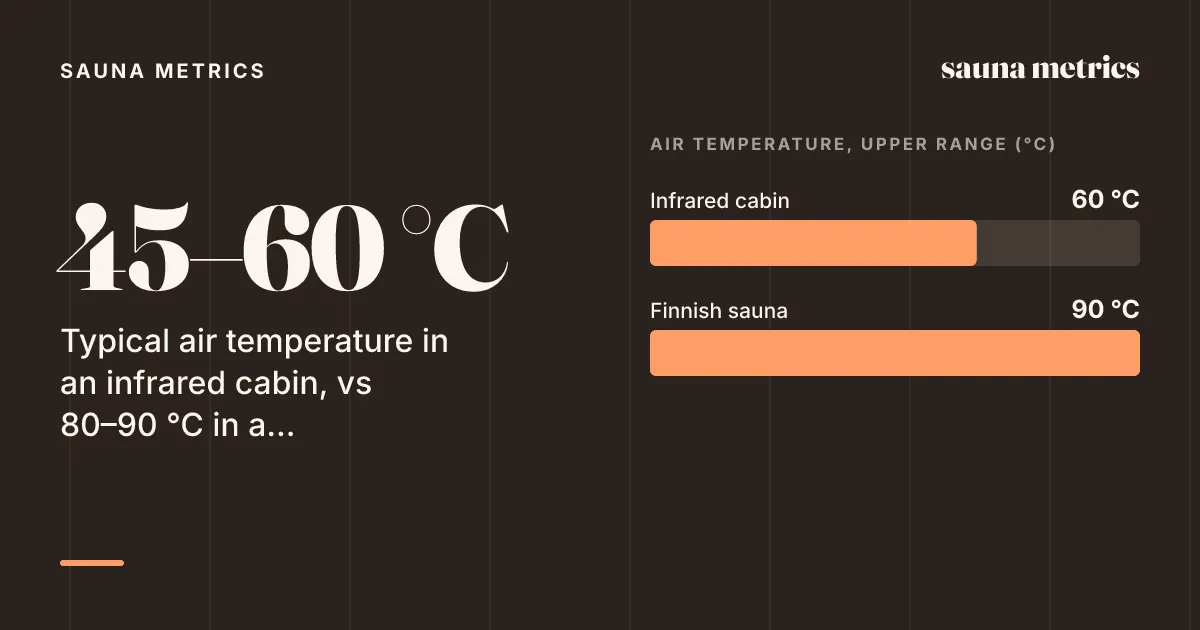
10 Infrared Sauna Benefits: What the Science Actually Shows
Ten commonly cited infrared sauna benefits, graded by how solid the evidence is, plus a simple way to track your own sweat, heart rate, HRV and sleep response.