Sauna when sick: the short answer depends on fever
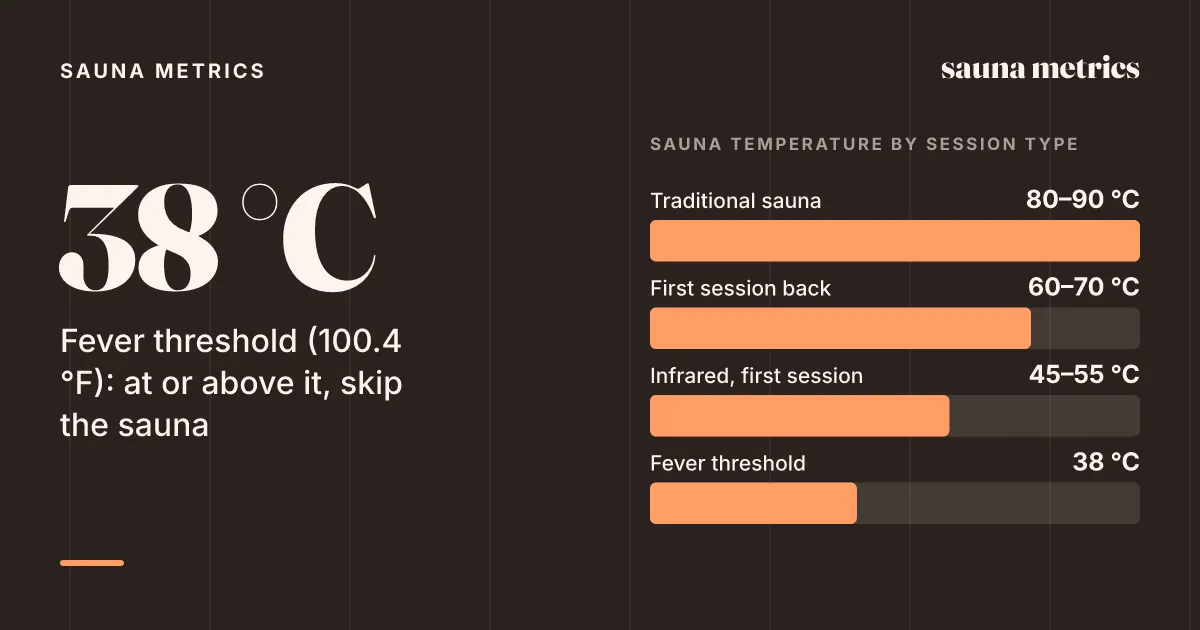
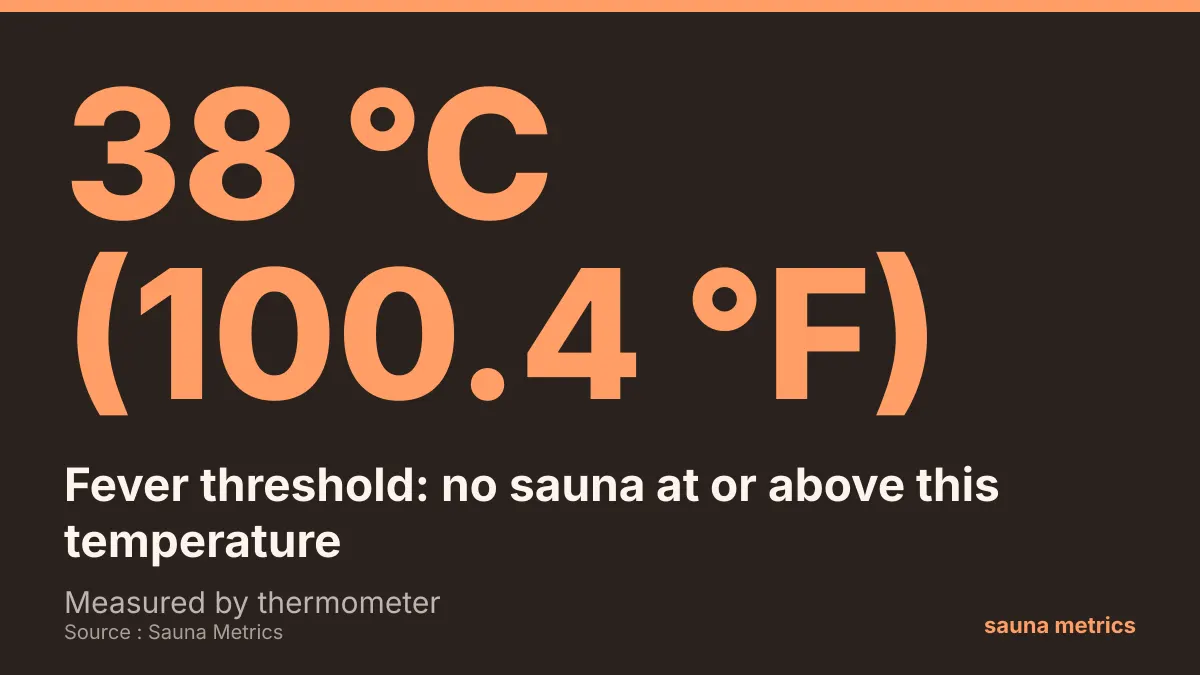
If you have a fever, skip the sauna. If you only have a stuffy nose or a mild scratchy throat, with no fever, a short and cooler session may be tolerable, but staying home to rest is always a reasonable choice. The deciding line is a thermometer reading of 38 °C (100.4 °F) or higher.
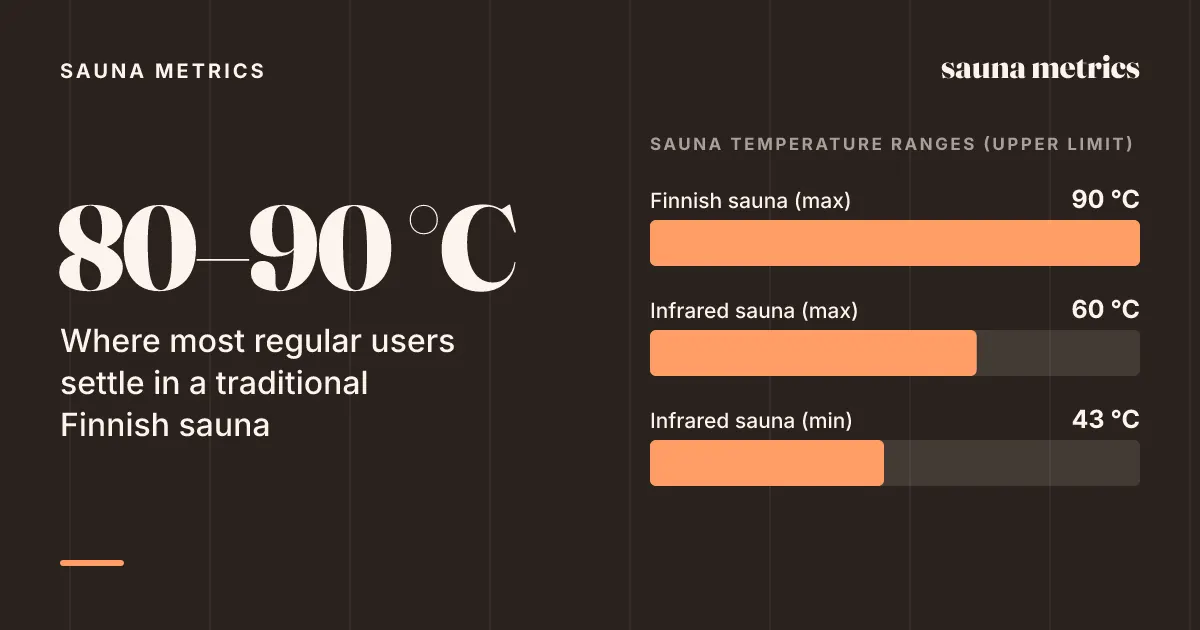
The logic is simple. A fever means your body is already raising its core temperature to fight an infection. A sauna at 80–90 °C (176–194 °F) adds heat on top of heat, and sweating cools you less effectively when you are unwell.
| Symptoms | Type | Verdict |
|---|---|---|
| Stuffy nose or mild sore throat only, no fever | Above the neck | Optional short, cooler session, or rest |
| Fever of 38 °C (100.4 °F) or higher | Systemic | Skip the sauna |
| Chills and body aches | Systemic | Skip the sauna |
| Chest cough, marked fatigue | Systemic | Skip the sauna |
| Vomiting or diarrhea | Systemic | Skip the sauna |
This is general information, not medical advice. For the wider picture, read our general sauna safety guidelines, and check the sauna contraindications if you have a heart condition or take regular medication.
Can you sweat out a cold, the flu or a virus?
No. Sweating does not remove a virus; your immune system clears it. So the answer to whether you can sweat out the flu in a sauna is a clear no, and a sauna does not help get rid of a virus.
Research on regular sauna use and fewer colds is observational. It describes associations in groups of people and does not show that a sauna prevents or treats an infection in any one person. Regular use while healthy is also a different question from using the sauna during the acute phase.
What heat can offer is comfort. Warm, humid air may temporarily ease nasal congestion and a scratchy throat, and some people find a steam room gentler than dry heat. For a sore throat, that is comfort at best, only without fever. Dry heat irritates some throats.
Risks of a sauna with a fever: dehydration, heart strain and dizziness
A sauna with a fever stacks several stresses at once. Each one is manageable alone, but together they are why the rule is firm.
- Dehydration and electrolyte loss. Fever already increases fluid loss and sweating adds more. See our guide to proper hydration.
- Cardiovascular strain. Heart rate is already higher when you are ill, and heat raises it further.
- Sauna dizziness and fainting. Lower blood volume plus dilated blood vessels make standing up quickly afterward risky.
- Headache and nausea. Treat them as warning signs: leave the room, sit down and cool off gradually.
- Medication and alcohol. Decongestants and fever-reducing drugs can mask symptoms or add to heat effects. Ask a pharmacist or doctor, and avoid alcohol.
Going back to the sauna after a cold: the 24-hour rule and a gentler session
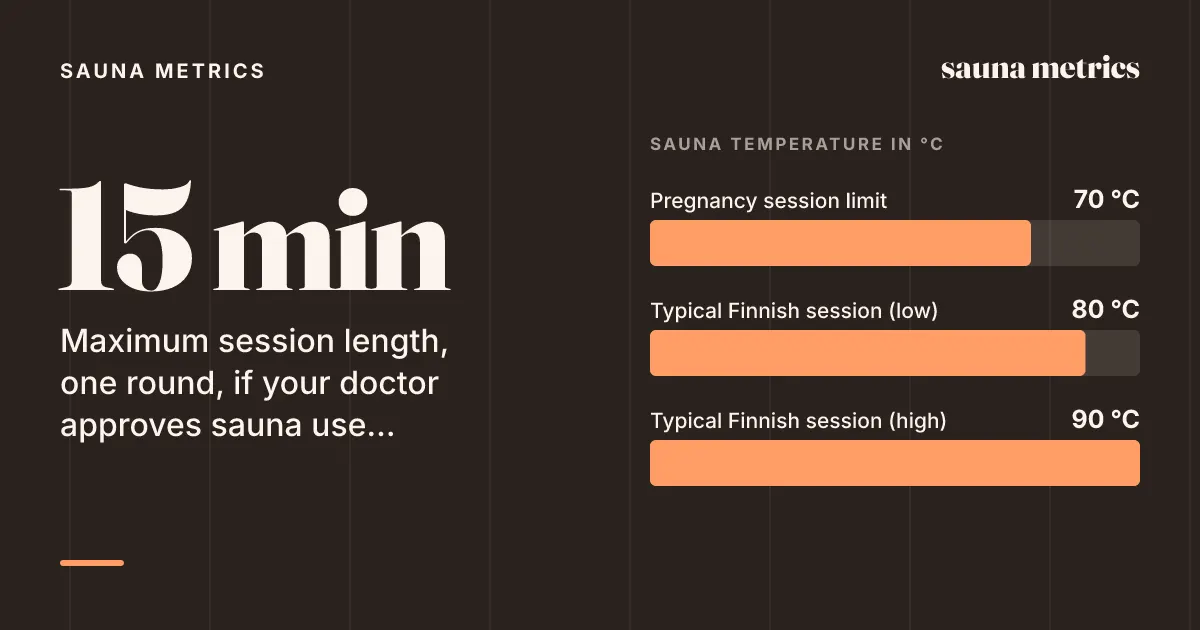
Wait until the fever has been gone for at least 24 hours without fever-reducing medication, and until you feel clearly better, not just good enough. Recovery is not the time to push your routine; sleep, fluids and rest do the real work.
For the first session back, keep it to one round of 8 to 10 minutes at 60–70 °C (140–158 °F) in a Finnish sauna, or an infrared cabin at 45–55 °C (113–131 °F). Our guide to the ideal sauna temperature for every session covers the usual ranges, and infrared vs traditional sauna explains how the two feel different.
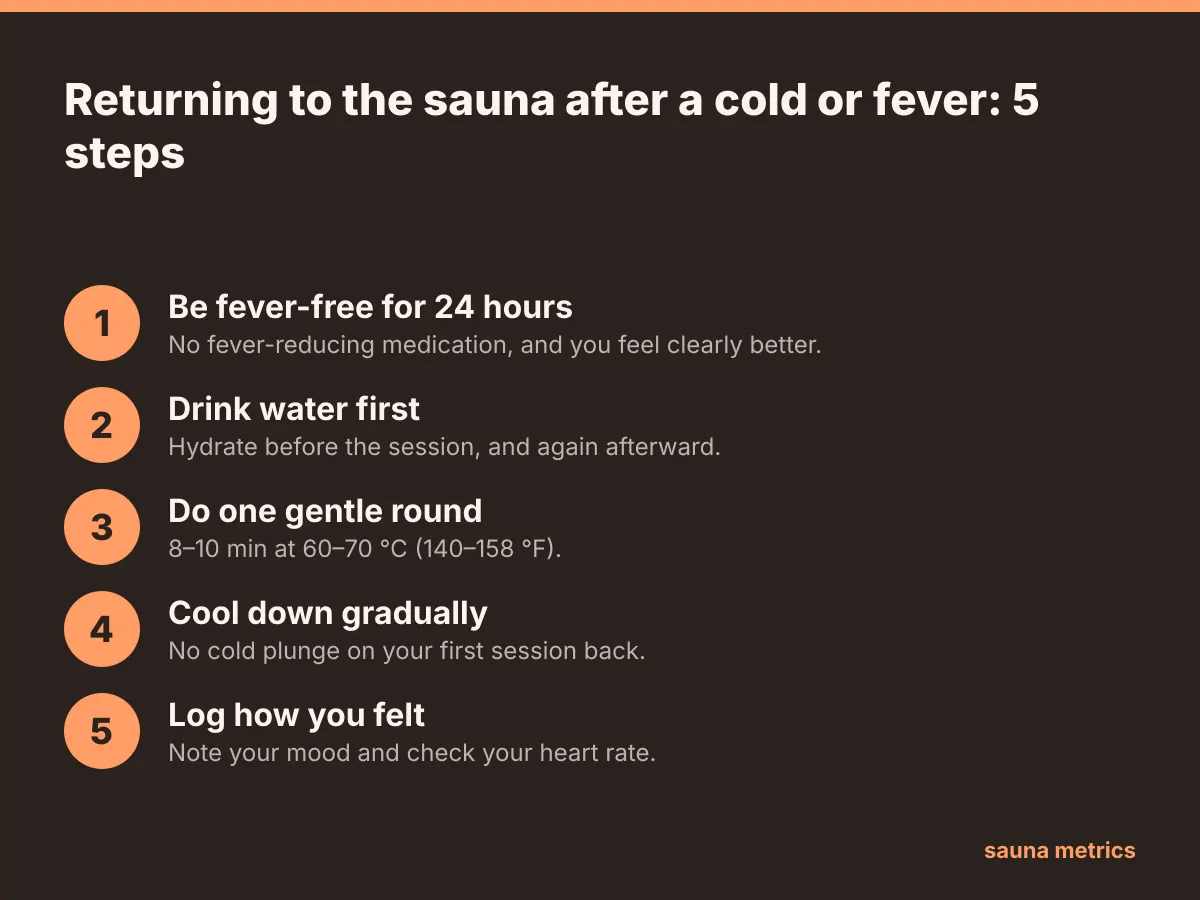
- Confirm you have been fever-free for 24 hours.
- Drink water before you go in.
- Do one short round, with no cold plunge on this first session back.
- Cool down gradually and drink again; electrolytes can help if you sweated a lot.
- Stop at the first sign of dizziness, palpitations or chills.
Tracking illness and recovery with Sauna Metrics
Sauna Metrics lets you keep the gap visible in your history. Log a skipped session with a note, or add a note plus mood and stress before and after on your first session back. Temperature, humidity, water, mood and stress are your own inputs.
Heart rate, HRV, resting heart rate and sleep come from Apple Health, depending on your equipment and permissions. With Pro and an Apple Watch, you can watch live heart rate during that first session and compare it with a usual session at the same temperature.
Over the following days, look at resting heart rate, HRV and sleep trends. A return toward your own baseline is a useful signal, but it is an observation, not a diagnosis. You can also compare duration, rounds and how you felt before and after the illness; the session score is non-medical and only a rough reference. The app cannot tell you that you are cured. When in doubt, ask a doctor.
Checklist before you step into the sauna when you are unwell
- No fever for 24 hours, without fever-reducing medication.
- Symptoms limited to the head.
- Well hydrated, and no alcohol.
- No dizziness when you stand up.
| Situation | Decision |
|---|---|
| Fever | Skip |
| Chills and body aches | Skip |
| Mild congestion, no fever | Optional short session |
| First day after the fever | Short, gentle session |
| Fully recovered | Normal routine |
After your session, log it in Sauna Metrics and check how heart rate and sleep respond over the next few days. That record shows you when your routine is genuinely back to normal.
Frequently asked questions
Is the sauna good for a sore throat?
At best it is a comfort measure, and only if you have no fever. Warm, humid air may soothe, while dry heat irritates some throats. A steam room or a mild session is usually gentler.
Does a sauna help get rid of a virus?
No. Your immune system clears a virus, and sweating does not remove it. Studies linking regular sauna use to fewer colds are observational and do not prove cause and effect.
Can you sweat out the flu in a sauna?
No. The flu is a systemic illness, often with fever, and extra heat adds strain on your heart and fluid balance. Rest, fluids and medical advice are the sensible route.
How can I speed up my cold recovery?
There is no shortcut from the sauna. Sleep, fluids and rest matter most, and you should return to heat only after 24 fever-free hours, starting with one short, gentle round.